
The best high-ticket dropshipping products are not simply the ones with the highest retail price. A product can look attractive in a screenshot and still be a bad fit for a new store if it has weak supplier access, unpredictable freight, unclear warranties, poor product information, or more customer support than your operation can handle.
The better question is this: which products can you source legitimately, explain clearly, deliver reliably, and support well enough that a serious customer feels comfortable buying from you? That is a much higher standard than finding an expensive item with a tempting margin.
This guide gives you a supplier-first way to choose products. It is designed for people building a focused ecommerce business, not a giant catalog full of items they barely understand. You will use product demand and customer fit to narrow the category, then use supplier reality to decide which products actually belong in your first assortment.
For broad niche ideas, start with the high-ticket niches list. Then use the steps below to make sure the products you choose can survive contact with real supplier policies, real delivery constraints, and real customer questions.
Start with suppliers that fit your category. Get the shared supplier spreadsheet, recruiting video, outreach scripts, and Google Workspace/GMass setup training. Research companies by name, category, markets served, and website. Find current contact details on each supplier’s website.
Research. Compare. Build your shortlist.
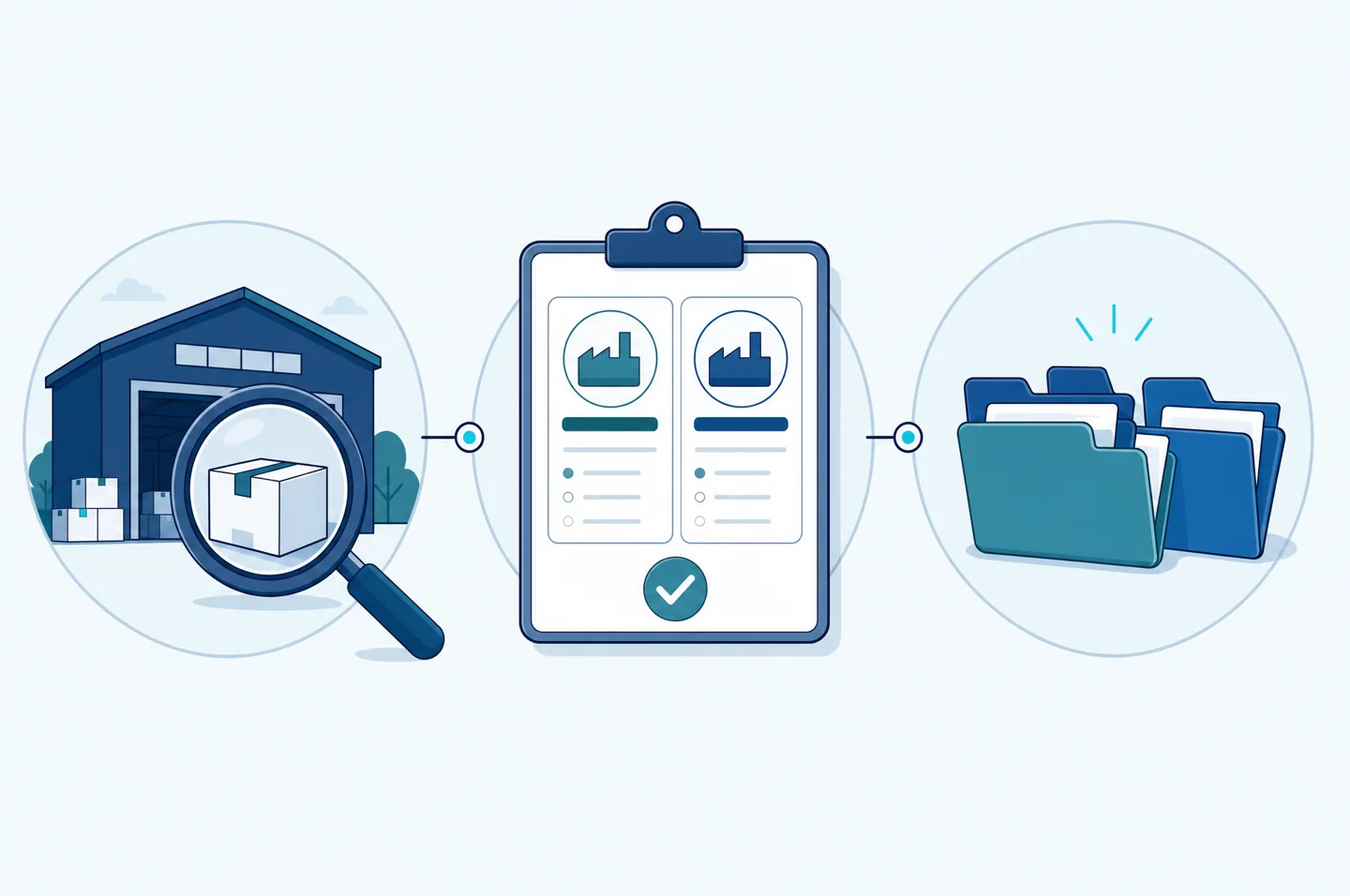
- 1. Check the source
- 2. Compare the details
- 3. Choose the right fit
Stop looking for a magic product
There is no single product that is automatically the best high-ticket dropshipping product for every retailer. A product can be excellent for an established showroom with installers and a regional delivery team, yet be completely wrong for a new online-only business. A category can have healthy demand but be dominated by brands that do not support independent ecommerce dealers.
That is why product selection needs context. The right option depends on the customer, the supplier channel, the delivery model, the capital you can commit, the questions you can answer, and the customer experience you are prepared to own.
Instead of looking for a winner in isolation, look for a workable product system. You want a category where a customer has a clear reason to buy, the product details can be understood, suppliers can be approached honestly, and you can make realistic promises about fulfillment and support.
This is more work than copying a trending list, but it is the useful work. If you do it before building the site, you will waste less time later rewriting pages, changing suppliers, or explaining surprises to customers.
Begin with the buyer problem, not the wholesale catalog
A focused high-ticket store starts with a buyer and a problem worth solving. Think about the moments where customers need reassurance or expertise: setting up a home gym, planning a patio, choosing an air-quality system, furnishing a large space, upgrading workshop equipment, or solving a comfort or accessibility need.
The product matters, but the buying job matters more. What is the customer trying to accomplish? What could go wrong if they choose the wrong item? What information would make the purchase easier? The answers help you tell the difference between a product category that needs a specialist retailer and one that is mostly a price comparison exercise.
The U.S. Small Business Administration notes that market research should examine demand, pricing, competition, customer characteristics, and market saturation. Its market research guide offers a useful checkpoint: validate the buyer and the competitive environment before you decide the catalog is a business.
Write a short buyer brief for each category you are considering. Include the customer type, primary use case, purchase trigger, common objection, expected delivery concern, and the kind of after-sale help they may need. If that brief feels vague, the category is probably not ready for a product list.
Use supplier access as an early product filter
Supplier access should be one of the first filters, not the last. You do not need approval from every brand before you choose a niche, but you should be able to see a plausible path to credible suppliers.
Search for manufacturers, authorized distributors, dealer programs, trade contacts, product documentation, and specialist retailers in the category. Build a lead list by brand or supplier, not just by product image. The high-ticket dropshipping supplier directory can make that discovery stage faster by giving you a starting point for brands, manufacturers, and distributors across product niches.
Then label every lead by what you know: manufacturer, distributor, importer, dealer, or unknown. Look for public language around authorized dealers, wholesale, online sales, direct fulfillment, MAP policy, and marketplace restrictions. Keep a separate field for unanswered questions.
This prevents a common problem: falling in love with a product type, then finding out the brands you want require a physical retail location, inventory commitments, a service network, or sales channels you do not plan to use.
Choose products with understandable buying criteria
A good early product should have criteria that can be explained. The buyer may need to compare size, capacity, material, compatibility, performance range, installation requirement, finish, or warranty. Those variables create an opportunity for helpful content and real sales support.
Be careful with products where the important differences are hidden, highly technical, or impossible to confirm from supplier materials. You can still sell technical products, but only if you are willing to learn the category deeply and build a reliable support process around it.
Start with products that have a clean decision path. A buyer should be able to understand why one model costs more, who each version is for, and what tradeoff they are making. If the product page requires you to make vague claims because the supplier cannot explain the differences, the category will be difficult to market responsibly.
This is where the high-ticket dropshipping overview is useful. The model works best when you become a useful guide inside a focused category, not when you try to make every product appeal to everyone.
Test whether the product can be quoted and delivered cleanly
A product can have great customer fit and still become a bad first item if the order process is unclear. Before you feature a product prominently, understand how a normal order moves from the customer’s payment to the supplier’s fulfillment and the final delivery.
Ask what data the supplier needs to quote or process an order. Does the buyer need to choose an option, provide measurements, confirm a delivery address, select a finish, or review a custom configuration? Is there a lead time? Is freight included? Does the customer need an appointment? Who confirms stock?
These questions help you decide whether the product belongs in a standard ecommerce checkout, a quote request flow, or a guided consultation. There is no shame in a quote process when the product genuinely needs one. It is much better to guide a high-value buyer than to accept an order with critical details missing.
Use the supplier RFQ template when you need to collect comparable answers. It turns a fuzzy exchange into a defined request with the product, quantity, destination, timing, and assumptions stated clearly.
Map the real cost of serving each product
Do not choose products based on the percentage difference between wholesale and retail price alone. Build a simple full-cost view. Include product cost, shipping or freight, payment fees, advertising, expected support time, packaging or handling if relevant, return exposure, and a reserve for problems that happen in any real operation.
Higher-priced items often create costs that do not appear on a basic price sheet. A residential delivery surcharge, liftgate requirement, appointment fee, return freight decision, restocking policy, or warranty-related shipment can change the economics quickly.
Also pay attention to timing. If a supplier requires a deposit before production, has a long lead time, or needs payment before the customer’s order is settled, your cash-flow needs may be very different from what a dropshipping label suggests. The supplier payment terms guide explains how to look at the cash and documentation risk before you commit.
Do not reject a product just because it has complexity. Reject it when the complexity is unclear, unpriced, or beyond the business you are prepared to run.
Look for a product information advantage
Product information is part of your competitive advantage. A supplier that gives you detailed specifications, manuals, usable images, clear warranty terms, and a responsive contact can help you create pages that answer real buyer questions. A supplier that gives you one blurry image and a few generic bullets is handing you a marketing problem.
Before adding a product, assess the information assets. Can you explain dimensions, materials, included components, installation, maintenance, delivery, warranty, and common product variations? Can you provide a clear answer when a customer asks whether the item fits their situation?
If the existing product information is thin, consider whether you can improve it through your own research and direct supplier confirmation. Do not invent technical specifications or broaden claims just to make a page sound stronger.
The Federal Trade Commission’s advertising guidance for businesses is a useful baseline: product claims should be truthful, not deceptive or unfair, and supported by evidence. A page that is direct about what is known and what needs confirmation is more valuable than a polished page built on assumptions.
Start with suppliers that fit your category. Get the shared supplier spreadsheet, recruiting video, outreach scripts, and Google Workspace/GMass setup training. Research companies by name, category, markets served, and website. Find current contact details on each supplier’s website.
Check brand identity and presentation rules
For branded products, your store needs to represent the company accurately. That includes using the correct product names, images, trademarks, and policy language. A seller’s casual use of a brand name can create confusion if the name is wrong, the product is outdated, or the store looks unaffiliated when it is not.
When you are researching a brand, use the company’s own site first. If you are trying to verify a distinctive name or explore similar marks, the USPTO trademark search system is a practical public resource. It does not answer every legal question, and it is not a substitute for professional legal advice. It helps you approach the brand identity more carefully.
Ask suppliers about approved imagery, catalog copy, logo use, advertised pricing, and any restrictions on product bundles or discounts. Save the current rules. Good supplier relationships are easier when you treat the brand’s presentation standards as part of the operating model instead of something to fix after the site is live.
Policy clarity can also reveal which products are worth building around. A brand with consistent assets and clear rules often makes it easier to create an honest, useful store experience.
Plan for questions that happen after checkout
The best early products have an answer path for customer questions after the sale. Before you list an item, ask yourself what will happen if the customer receives freight damage, needs a part, wants to understand the warranty, has an installation concern, or needs help with a product setting.
You do not need to answer every specialized question yourself. You do need to know who owns the next step. Is the supplier’s support team available? Does the customer contact you first? Is there a warranty form? Are parts stocked? What evidence is needed for a freight claim?
Products with a clear support path are easier to sell confidently. Products with no support path can turn an attractive margin into an expensive customer-service problem. The supplier onboarding checklist helps turn those operational answers into a record your team can actually use.
Support is not separate from marketing. When a buyer sees that you explain delivery, warranty, and next steps clearly, they have a better reason to trust the store with a large purchase.
Build a small starting assortment on purpose
Your first assortment should be a testable collection, not a warehouse replacement. Choose a limited group of products that solve related customer problems and use a manageable number of supplier processes.
For example, you might begin with one core product, a few logical variations, and a small set of related accessories or upgrades. The point is to learn what the buyer needs, what questions recur, and which supplier details matter without creating a support burden you cannot manage.
Each product should earn its place. It should have a credible supply path, usable information, understandable economics, a delivery plan, and a reason it helps the defined customer. If a product is there only because it has a high retail price, it probably does not belong in the first version of the store.
As you expand, use the supplier comparison scorecard to keep the supplier side visible. Product additions often look like a catalog decision, but they are also a supplier, policy, and service decision.
Use supplier feedback to improve the product choice
Supplier conversations are research. A good rep may tell you which models create the most questions, which colors or configurations lead to delays, which products require more careful customer screening, or which accessories are usually bought together.
Listen for the operational information, not just the sales information. If the supplier warns that an item is commonly backordered, difficult to ship, or prone to customer misunderstanding, put that in your product notes. It does not always mean you should walk away. It may mean your page needs clearer language, your launch needs a slower timeline, or the product should not be a priority.
Good suppliers may also reveal where a focused retailer can add value. Maybe customers repeatedly ask for a buying guide. Maybe installers need better product education. Maybe a category has plenty of general retailers but few who explain the real setup process. Those gaps are the beginning of useful content and a stronger store position.
For the wider supplier discovery and approval sequence, see the complete guide to finding high-ticket suppliers.
Validate demand without confusing attention with intent
Interest in a product category is not the same as readiness to buy. Social attention can be useful, but it does not replace understanding who pays, why they pay, what alternatives they consider, and how long the purchase decision takes.
Look at how specialist retailers structure their product pages and support content. Read real customer questions and reviews for themes, not as a source for copied claims. Search for installation concerns, comparison questions, warranty concerns, and delivery objections. These are signals about what a buyer needs before they commit.
Use this research to build practical content: comparison pages, buying guides, measurement checklists, delivery explainers, and clear product FAQs. The best content often comes from the questions that would otherwise show up in your inbox after someone is confused.
Do not publish a large number of thin product pages and hope search traffic solves the strategy. Build fewer pages that genuinely help the buyer make a decision and that accurately reflect the supplier’s product and process.
Protect the business with written supplier evidence
Before you publish a product, save the source for its key facts. Keep the product sheet, quote or pricing source, warranty details, shipping notes, policy documents, and direct supplier confirmations together. If the supplier changes a detail, you will know what needs to be updated on the store.
This habit is especially valuable for minimums and availability. The MOQ guide helps you make the commitment visible when inventory or supplier minimums are involved. A product might be attractive, but it still needs to fit the amount of cash, storage, and risk you can responsibly take on.
Use written evidence to improve your own decision-making too. It is easier to compare products and suppliers when you can see the actual differences in freight, lead time, policy, minimums, and support rather than trying to remember what a rep said in a call.
When a product cannot be documented well enough to represent it confidently, wait. More research is usually cheaper than a customer problem.
Make the first product launch a learning loop
Once a small assortment is live, watch what happens closely. Which products get attention? What questions do buyers ask? Where do they hesitate? Which details need to be clarified? How does the supplier respond when you need an answer?
Do not measure the launch only by immediate sales. Measure the quality of the process. A product that brings good conversations but exposes a missing delivery explanation is giving you useful information. Fix the explanation, improve the page, and update your supplier notes before you add more catalog depth.
Review the first real orders with the supplier relationship in mind. Did lead time match? Did the customer receive accurate information? Did freight work as expected? Were support contacts available? A product and supplier combination that works in real life is worth more than five ideas that only looked good in research.
If you want structured help assembling the niche, supplier process, and store foundation into one build, Ecommerce Paradise’s turnkey service is designed for that practical stage of the process.
Final takeaway
The best high-ticket dropshipping products are the ones you can source, explain, deliver, and support without relying on wishful thinking. They sit inside a category with a real buyer problem, a credible supplier path, clear product information, workable economics, and an operating model you can keep improving.
Start with a focused category. Bring supplier access into the decision early. Build a small assortment with evidence behind it. Then use real customer questions and real supplier experience to improve what you offer. That is how you choose products that do more than look good on a spreadsheet. They give you a foundation for a real specialist business.
Do not wait until a supplier asks for documents to organize your foundation. This business formation checklist for high-ticket dropshipping helps you prepare the legal and financial basics that make supplier conversations easier to handle.
After you narrow the product category, the main high-ticket supplier guide gives you ten distributor research leads to help test whether the products have a realistic source path.
Use the supplier reliability framework and USA supplier research guide to qualify your discovery set. Then prepare your supplier outreach email.
Build a supplier shortlist you can act on
Use the shared spreadsheet and recruiting training to build your shortlist. Find current contacts on supplier websites, then confirm eligibility, products, prices, inventory, fulfillment, and terms directly.

Trevor Fenner is the founder of Ecommerce Paradise and writes about high-ticket dropshipping, supplier research, and building niche ecommerce stores. His Supplier Paradise guides help you compare suppliers, prepare dealer applications, and check shipping, returns, and warranty policies before you commit. Start with the supplier research guides and build a shortlist you can verify.
Join the Ecommerce Paradise community and follow Ecommerce Paradise on LinkedIn.