
When people ask me for the best high ticket dropshipping suppliers, they usually want 10 companies they can email today. That is fair. I get it. But the more useful answer is that you need suppliers that match a category you can build around, a customer you can serve, and a process you can support after the first order ships.
I have been selling online since 2005 and running my own stores since October 2010. The pattern never changes. The stores that win are the ones that line up real dealer accounts with US brands, manufacturers and distributors that drop ship to the customer’s door. The stores that stall are usually the ones that picked a product first and hoped the suppliers would follow.
This guide gives you 2 things. First, a shortlist of 10 distributor research leads from the Supplier Paradise directory in higher-ticket categories like refrigeration, flooring, billiards, sauna, fitness, wine storage and indoor golf. Second, the full process I use to research, apply to and qualify suppliers so that shortlist turns into approved accounts.
If you are brand new to the model, start with the high-ticket dropshipping guide first. A big price tag alone does not make a product a good business. Sourcing, customer fit, delivery, warranty and support all have to make sense together.
Want a head start before you dig in? Grab the free list of 100 high-ticket suppliers and use it alongside the 10 leads below.
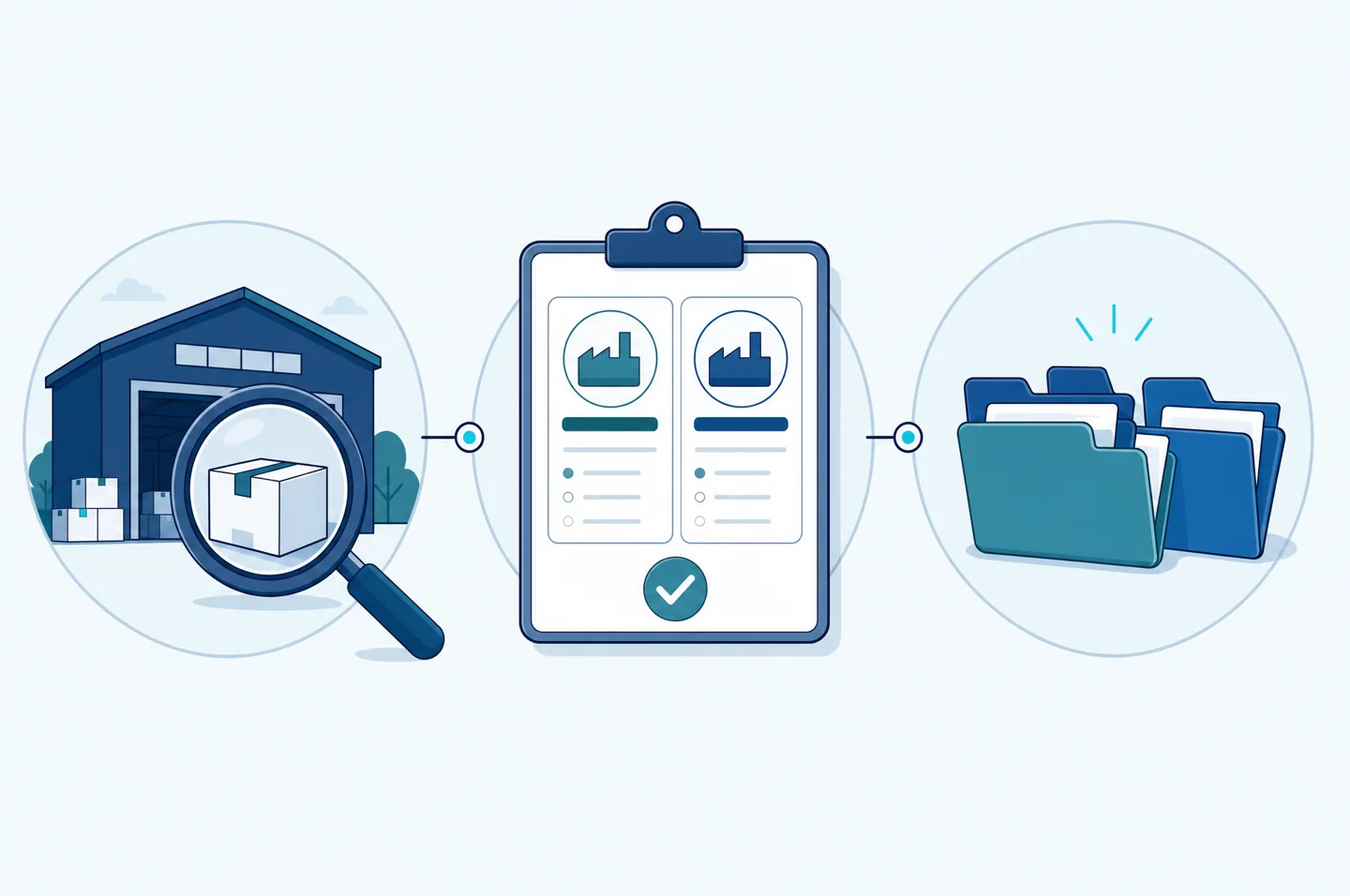
What this list of high ticket dropshipping suppliers is and is not
This is not a global quality ranking. It is also not a claim that these businesses drop ship for every store. Each company below is a Supplier Paradise distributor research lead. I picked them because their categories fit high-ticket ecommerce and because each one gives you a practical place to start.
Keep this in mind for every name here and every name in the directory. A supplier listing is a research lead. It does not mean the company drop ships or will approve your store. You verify terms directly with each supplier, every time.
Some of these records are international. That does not make them bad leads. It does mean you must confirm market coverage, territory, account type, currency, shipping and online-sales approval before you get excited. If you are building a United States store, ask that question up front. Do not find out after you spent a week building category pages.
Pick the category before you pick the supplier
New store owners often choose a product first and assume supplier access will follow. That order creates a lot of wasted work. You might build a site, write 20 product pages, and only then learn that the best brands in the niche do not accept online-only dealers.
A better approach works both decisions together. Does the category have real demand? Does the buyer journey fit an online store? Are there credible supplier paths available? The SBA’s guide to planning your business walks through demand, market size, saturation and pricing as part of market research. That is a good reminder that the price tag is only one input.
You do not need 10 approved suppliers before you commit. You do need evidence that the category has a realistic route to market. In practice that means finding several possible brands or distributors, reading their dealer policies, and knowing what a serious application will require. Our high-ticket dropshipping products guide helps you test category ideas against that question.
Go deep before you go wide. Pick a category where you can learn the questions buyers actually ask.
What makes a distributor worth researching
A supplier lead is not the same thing as a supplier relationship. A brand can show up in a directory, on a competitor’s store or in a trade publication. That tells you the company exists and might fit your niche. It does not tell you if it accepts new dealers, supports drop shipping, permits online sales or ships to your customers.
Distributors can be a great way in. The right one gives you access to multiple brands, catalog data and a defined account process through one relationship. That is a huge advantage early on, when you need options and the big manufacturers are slow to answer.
The role in the supply chain matters because it tells you what to ask next. A manufacturer may control brand approval but not offer direct fulfillment. A distributor may carry the exact brands you need and give a newer retailer better account support. An importer may handle a specific territory. Figure out which role you are dealing with before you write the first email.
A big catalog does not answer the hard questions for you. You still need to understand product availability, dealer requirements, direct-to-customer fulfillment, payment terms, MAP policy, freight, returns, warranty support and the sales channels the supplier allows. A reputable dropshipping supplier will answer those questions in writing. Our guide to reliable dropshipping suppliers breaks down the signals that separate a dependable partner from a name on a list.
The shortlist: 10 high ticket dropshipping suppliers to research
Here are the 10 distributor research leads. Each one links to its Supplier Paradise directory record. Check every supplier’s website for its current brand lineup and contact details before you reach out.
1. Tri-State Distributors
Tri-State Distributors is one of the broader records in this group. That makes it a strong research lead when you want to map out a wider product family instead of betting the whole store on one brand.
Start by asking for the current catalog and a clear explanation of the categories it supports. Then find out if it accepts new ecommerce accounts, which brands have channel restrictions and whether it supports direct-to-customer shipping. Those answers matter much more than the number of lines on a spreadsheet.
2. United Refrigeration, Inc.
United Refrigeration, Inc. is a useful lead for technical equipment, refrigeration categories and parts-supported product lines. Categories with technical depth can work well because buyers often need real help comparing specs and compatibility.
They also carry more responsibility. Before you sell, know if the customer needs a licensed installer, how freight is handled, what lead time is normal and who owns the post-sale support question. A strong wholesale price is not enough if a buyer calls after delivery and nobody can explain the next step.
3. Thailand Pool Tables
Thailand Pool Tables is a distributor research lead in a classic considered-purchase category. It is worth exploring if you are building a game-room niche where the customer expects guidance, clear delivery details and real product knowledge.
Pool tables show why high-ticket dropshipping is not just a margin calculation. Ask about freight, placement, assembly, damage reporting, lead time, accessories and service. Confirm which markets it serves too. If you cannot tell a customer what delivery looks like, pause before you promise anything.
4. Wine Appreciation
Wine Appreciation appears in the directory as a distributor. It is a good lead if you are looking at wine storage, cellar equipment or enthusiast home categories where buyers want more than a generic product description.
This is a category where a niche store can compete on useful guidance. Buyers care about capacity, climate, installation, dimensions, design and how the unit fits the room. Verify the current lines, territory, dealer process, warranty path and whether the supplier supports the sales channel you plan to use.
5. Xtreme Engineered Floor Systems
Xtreme Engineered Floor Systems is listed as a distributor. Flooring and surface systems can create solid order values. The category needs a serious approach to samples, shipping, fit, damage, installation questions and customer expectations.
Before you apply, learn if the company is set up for a consumer ecommerce retailer or expects contractors, showrooms or a specialized account type. Ask about material variance, return rules, damaged shipments and freight classes. Ask what information you can use to help customers choose correctly before they place a large order.
6. White Billiards
White Billiards is another specialist distributor lead in a high-ticket recreation category. A smaller group of lines is not automatically a downside. Sometimes it gives you enough focus to learn the products deeply and build a much more helpful store.
A serious billiards buyer asks about table size, room dimensions, cloth choices, delivery, setup, cues and service. If the distributor gives you good product data and a clear support path, that beats a huge catalog where nobody can answer a basic product question.
7. The Sauna and Steam Guy
The Sauna and Steam Guy is listed as a distributor research lead. Sauna and steam products are a higher-ticket home wellness purchase where buyers usually want help before they spend real money.
Get straight into the hard questions. Confirm market coverage, electrical and installation requirements, warranty support, freight process, parts availability and which products you can sell online. Do not describe a product as easy to install if the supplier’s documents say otherwise. Our sauna dropshipping suppliers guide goes deeper on delivery and warranty readiness for this category.
Skip months of blind supplier searching. The $297 lifetime membership gets you the full Supplier Paradise directory, 3 private coaching calls with me, my supplier outreach scripts and a dealer application template. One payment, lifetime access.
8. Total Fitness Concept
Total Fitness Concept appears in the directory as a distributor. Premium home and commercial fitness is an attractive high-ticket category because buyers care about durability, delivery, financing, space and ongoing support.
It can also become a pain in the butt if you do not understand freight. Equipment size, room-of-choice delivery, assembly, warranty escalation and replacement parts decide whether a sale is profitable and whether the customer ends up happy. Ask for the real process, not a broad statement that the supplier handles shipping. The fitness equipment dropshipping suppliers guide covers the questions to ask in this niche.
9. Viking Sauna and Steam
Viking Sauna and Steam is a distributor record. Even a small specialist record can be worth your time if the category fits your store and the company provides clear policies, support and a realistic account path.
A lot of people see the brand count and assume more is always better. Not necessarily. A small specialist with clean account terms, current product data and dependable support can be a better partner than a giant general distributor where your store is just another account number.
10. Target Indoor Golf
Target Indoor Golf is a focused distributor research lead in the indoor golf category. It is a chance to investigate a tight, enthusiast-led product area where a specialist store can be genuinely helpful.
Indoor golf customers need help with space requirements, launch monitor compatibility, enclosure options, flooring, installation and the difference between entry-level and premium setups. A store that gives clear answers can compete on expertise even when several retailers show the same advertised price.
How to research a supplier like a future customer would
Before you email anyone on this list, spend 30 minutes on the company’s website. Go past the homepage. Read product manuals, warranty pages, return instructions, dealer information and support content. Look for clear contact details, real specifications, honest shipping language and proof the company supports products after the sale.
Then search the brand name alongside words like warranty, parts, installation, recall, dealer, customer service and reviews. You are not trying to prove a company is perfect. You are looking for patterns that could turn into customer problems later, especially repeated complaints about delivery, quality or support.
For brands with a distinctive name, a quick look at the USPTO trademark search helps you confirm how the brand identifies itself and spot similar names that could confuse buyers. It is not legal advice or a full clearance search. It is just a smart habit when you are about to represent someone else’s brand.
Then answer one plain question. Could you confidently put this company in front of your best customer? If the business identity, product information or service path is hard to understand from the outside, dig in before you build pages around it.
How to turn this list into a real supplier shortlist
Do not send 10 identical emails and hope something sticks. Pick one category you can see yourself learning deeply. Look at the customer, product range, delivery expectations, support needs and the brands you can realistically approach. Then build a shortlist of a few companies that deserve real attention.
It is easy to collect leads faster than you can assess them. A giant spreadsheet looks productive, but it becomes a place where good names go to disappear. Build your first list around one product family or one clear customer problem instead.
For every supplier, record these fields:
- Company name, official website and the date you found it
- Category and role in the supply chain (brand, manufacturer, distributor or importer)
- Dealer or wholesale page and the best contact route
- Account type, dealer requirements and online-sales policy
- Shipping process, payment terms, return rules and warranty path
- Why the company belongs on your list, plus every unanswered question
Label missing information as missing. A dealer page does not mean drop shipping is available. Some brands support retailers but require stock. Others allow online sales but restrict marketplaces. An honest “unknown” in your notes beats a false “yes” every time.
The supplier comparison scorecard turns those notes into a documented decision. Record why each company is moving forward, pausing or getting cut. The spreadsheet does not make the decision for you. It just keeps your reasoning visible.
Build a supplier portfolio, not a single bet
Do not build the whole store around one supplier before the relationship proves itself. Even a great partner can hit inventory problems, policy changes, staff turnover or a discontinued line. A focused category can still have more than one credible source.
Think in roles. One company is your primary brand for depth. Another covers adjacent products that make the store more useful. A distributor gets you access to brands while you wait on direct approval. A bigger manufacturer becomes a longer-term target once your store has proof. This way a single rejection never stops the project, and you never accept bad terms because you think there is no alternative.
Check the sales channel before you apply
High-ticket dropshipping is not one universal sales channel. One supplier welcomes a specialist ecommerce retailer. Another wants a physical showroom, a service department or a sales history in a related category. A third is open to online dealers but bans certain marketplaces.
Before you spend time on an application, look for clear language around authorized dealers, internet sales, marketplace restrictions, pricing policy, territory and fulfillment. If the policy is not public, do not guess. Add it to your first contact questions.
Be specific about your sales model. If you sell through your own branded site, say that. If you expect the supplier to ship to the end customer, say that. If you plan to list on marketplaces, say that too. A clear answer early beats an approval that falls apart once the supplier learns how you actually sell.
This is where a small, focused store has an edge. You can explain your customer, your category knowledge and the buying experience you plan to deliver. That is far more credible than showing up as a general store willing to sell anything with a margin.
Questions that separate a real lead from a dead end
You do not need to interrogate a supplier in the first email. You do need a sequence. First confirm the relationship is possible. Next confirm the channel, policy and fulfillment model fit your store. Only then does it make sense to compare pricing and expand the product range.
Ask approval questions before pricing questions:
- Are you currently accepting new authorized ecommerce dealers or wholesale accounts?
- Can I sell on my own branded website, and are marketplaces or paid channels restricted?
- Do you offer direct-to-customer fulfillment, and what fees or order steps apply?
- Where can I get current dealer pricing, inventory data, MAP policy and approved product content?
- What minimum order, opening commitment, payment terms and freight conditions should I expect?
- Who handles returns, damaged freight, warranty questions and replacement parts?
The answers reveal the true working model. One supplier quotes a strong wholesale price but wants your first order shipped to a warehouse. Another offers direct fulfillment but charges a handling fee per order. A third wants a deposit or an opening order. None of those is automatically wrong. Each one has a different cash-flow and customer-experience impact.
The supplier RFQ template makes these questions comparable across companies. That matters when one supplier sends a polished price list, another sends a 2-line email and a third wants a phone call first. If minimums come up, run them through the MOQ evaluation guide before you agree to anything.
When pricing does arrive, do not stop at dealer cost. Review MAP, freight, handling, payment timing, returns, product data and who owns each support step. The MAP pricing guide explains why an advertised-price policy is only one part of a workable commercial model.
Build an application-ready business profile
Supplier applications are a basic risk check. The supplier wants to know you are a real business, that you understand the products, that you will follow the channel rules and that customers will be taken care of after the sale.
Prepare a simple business profile before you apply. One clean page or a well-organized folder is plenty. Include:
- Legal business name, website, business email and primary contact
- The category you are building and the customer you serve
- A short explanation of how you will market and support the product line
- Your tax and registration documents, ready to send
The IRS explains that an Employer Identification Number is a federal tax ID number for businesses. Depending on your structure and state, suppliers may also ask for a resale certificate, business registration or payment references. Always follow the current requirements each supplier gives you.
The key is not pretending to be bigger than you are. It is having accurate documents ready so a good conversation does not stall on simple paperwork. Our guide to applying to high-ticket dropshipping suppliers walks through the full application step by step.
Write outreach that gives the supplier a reason to reply
Your first message does not need a dramatic pitch. It needs enough detail for the rep to understand who you are and why their product line belongs in your plan. A few researched details beat a long email full of promises.
State the category you focus on, the customer you serve and how you found the company. Mention something real about the product line or the buyer problem that makes the fit make sense. Then ask if they are accepting new authorized ecommerce dealers and what the process requires.
Do not claim a huge audience unless you have one. Do not project order volume you cannot back up. Experienced supplier reps have heard every version of the big-promise email. A grounded intro from a focused retailer gives them a real reason to keep talking. Grab the supplier outreach email template if you want a proven starting point with follow-ups.
Log every message with the date sent, the recipient and the reply. Supplier recruiting gets easier when it is a process you repeat, not a pile of inbox threads.
Protect the customer experience from day one
With high-ticket products, the supplier shapes the customer experience as much as your website does. It controls inventory, lead times, product data, shipping, damage claims, replacement parts and warranty support. That is why good margins alone are never enough.
Get the policies in writing
High-ticket brands care a lot about how their products are represented. That covers advertised price, imagery, technical claims, marketplace activity, trademark use, discounting and approved bundles. Good policies protect the brand, and they protect you from guessing.
Ask for current written policies and save the version you received. If there is a MAP policy, find out if add-to-cart pricing is allowed and who to contact about violations. Build your product pages from verified information. The FTC’s advertising and marketing basics say claims must be truthful, not deceptive or unfair, and backed by evidence. Do not turn a vague manufacturer feature into a stronger promise.
Walk through a normal order
Ask the supplier to walk you through a standard order. What happens after you submit it? When is inventory confirmed? When does the customer get tracking? What kind of delivery service is used? Who owns the issue if the carrier damages the shipment? Who answers the first warranty question?
Do not settle for “we handle shipping.” That is the start of the conversation, not the end. Your store is the customer’s first point of contact, so you need enough detail to set expectations accurately. A short list of operationally clear suppliers is worth more than a long list of brands with great margins and fuzzy delivery.
If domestic fulfillment is central to your plan, the USA dropshipping suppliers guide helps you separate where a company is based from where a shipment actually leaves.
Selling bulky outdoor products? The outdoor kitchen supplier guide covers freight, specs and support ownership. The furniture dropshipping suppliers guide covers delivery service and damage claims.
Your first 90 days with a new supplier
Approval is a milestone. It is not the same as being ready to sell. Before you take a customer order, confirm the current pricing source, product data, stock visibility, ordering method, lead time, shipping procedure, return rules and support contacts.
Fix the details that could hurt a customer before the listing goes live. A wrong freight assumption, a discontinued product, a hidden handling fee or an unclear warranty path is much easier to fix early. Run the supplier audit checklist as a final pass. Then use the supplier onboarding checklist to get from approval to a first order you can fulfill with confidence.
Spend the first 90 days learning the relationship, not expanding as fast as possible. Keep the assortment focused. Watch how the supplier communicates. Track how reliably product details, inventory updates, shipping status and support questions move through the process.
Update your product pages based on the questions customers actually ask. Clarify delivery, measurements, compatibility, setup and warranty. Then schedule a quick review after the first few orders. Did lead times match what you were told? Did freight cost what you expected? Did the customer get the experience you marketed? A supplier relationship gets stronger when you can name a problem plainly and work through it with evidence.
High ticket dropshipping suppliers FAQ
Do all of these suppliers drop ship?
Not necessarily. Each company on this list is a research lead from the Supplier Paradise directory. You need to confirm drop shipping, dealer approval, territory and terms directly with each supplier before you list a single product.
How many suppliers do I need before I launch?
There is no magic number. You need enough approved accounts to make the store useful in one focused category, and ideally more than one source so a single policy change does not sink you. Many stores launch with a few solid suppliers and add more as they build proof.
How do I know if a supplier is a reputable dropshipping supplier?
Look for clear business details, current product documentation, written dealer and MAP policies, a defined warranty process and straight answers to your fulfillment questions. A reputable supplier puts its terms in writing. Vague answers on shipping or support are a warning sign.
Should I ask about pricing in my first email?
No. Ask approval questions first. Confirm the supplier accepts new ecommerce dealers, allows your sales channel and supports direct-to-customer fulfillment. Pricing comparisons only matter once you know the relationship is possible.
What documents do suppliers usually ask for?
Most ask for your business name, website, contact details and a federal tax ID. Some also ask for a resale certificate, business registration or payment references. Requirements vary, so follow what each supplier asks for.
Are international distributors worth contacting for a US store?
They can be, but confirm market coverage, currency, shipping origin and online-sales approval first. If a distributor cannot ship to your customers on terms you can explain clearly, move on.
Final takeaway
The best high ticket dropshipping suppliers are not simply the biggest names or the first companies that say yes. They are the ones whose product line, account process, policies, fulfillment and support work together well enough for you to make a promise you can keep.
Use these 10 distributor leads as a better starting point. Pick the category that makes sense, research each company like a customer would, apply with a clean business profile and ask approval questions before pricing questions. Supplier recruiting takes real effort. It is what it is. But getting it right is one of the best things you can do for a high-ticket store.
Build your high-ticket supplier shortlist faster
Pick the plan that fits where you are. The $297 one-time plan includes the lifetime supplier directory, 3 private coaching calls, outreach scripts and a dealer application template. The $2,997 one-time plan includes the directory, one private coaching call every month for life, the HTDS Masterclass and the community.
Use the directory to narrow the discovery stage, then confirm approval, pricing, stock, fulfillment and support terms directly with each company.
Disclosure: Supplier Paradise is owned by Trevor Fenner and Ecommerce Paradise. I earn money when you buy a membership.
Related Articles
- High-ticket dropshipping: the supplier-first guide to building a store
- How to apply to high-ticket dropshipping suppliers
- Supplier outreach email template and follow-up sequence
- MAP pricing for high-ticket dropshipping stores
- How to find wholesale suppliers for your store

Trevor Fenner is the founder of Ecommerce Paradise and writes about high-ticket dropshipping, supplier research, and building niche ecommerce stores. His Supplier Paradise guides help you compare suppliers, prepare dealer applications, and check shipping, returns, and warranty policies before you commit. Start with the supplier research guides and build a shortlist you can verify.
Join the Ecommerce Paradise community and follow Ecommerce Paradise on LinkedIn.