
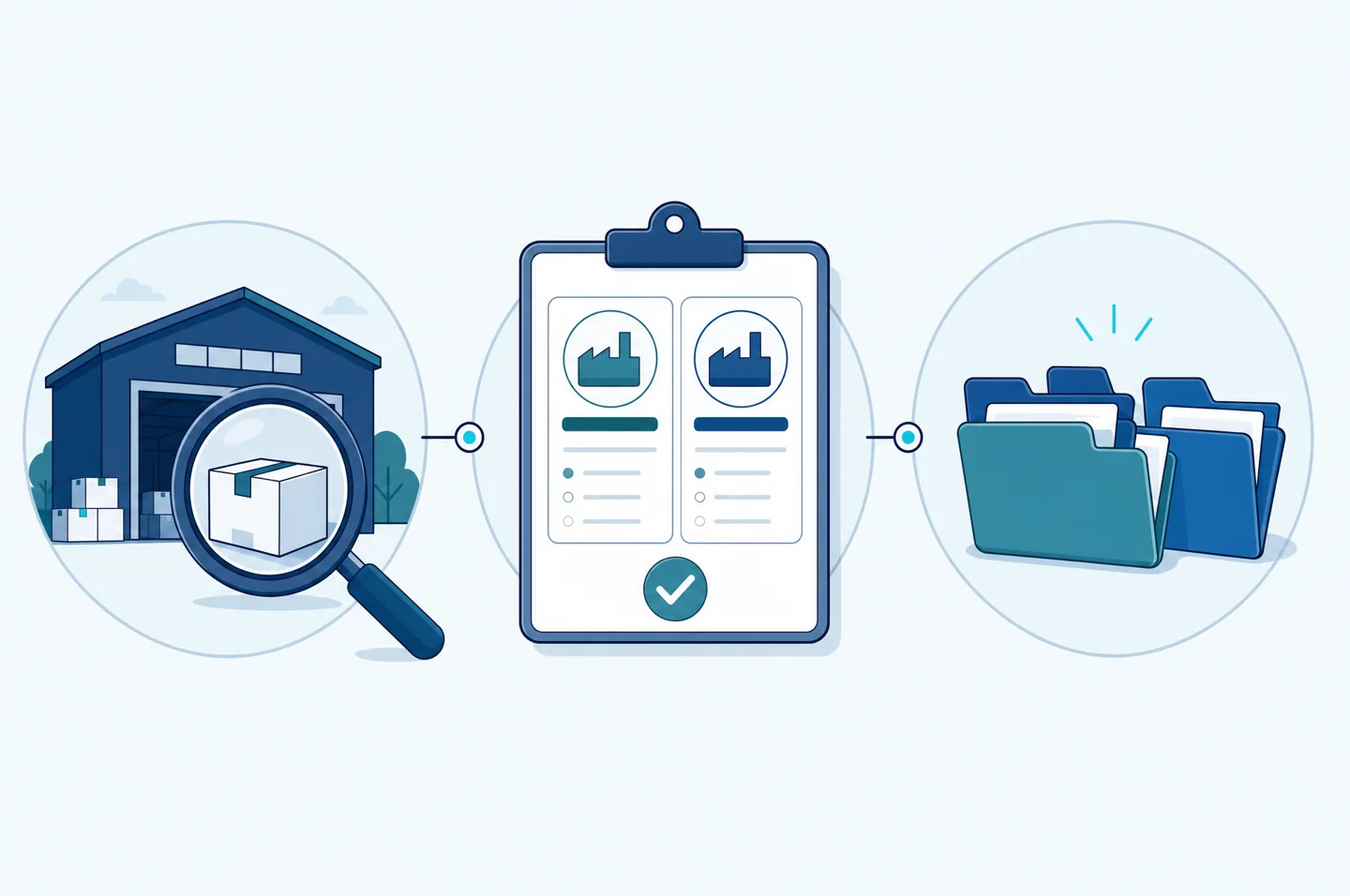
Outdoor kitchen dropshipping suppliers need to offer more than attractive grills and a wholesale price list. A serious store needs access to the right products, accurate specifications, a workable freight process, and a clear support route when a buyer is coordinating an installation.
That is what makes this category different from a simple product resale business. An outdoor kitchen can combine a grill, cabinets, doors, drawers, refrigeration, burners, a sink, countertops, and accessories. The buyer may be working with a contractor, comparing fuel configurations, or trying to match equipment to an existing space. A wrong assumption about one component can create a delay across the project.
This guide shows how to build a supplier shortlist around those realities. You will learn what to ask about dealer approval, product data, compatibility, delivery, returns, and warranty responsibility before you build your assortment. The goal is a store that can answer meaningful buying questions and make promises its supplier relationships can support.
Find relevant companies before you begin applications. Supplier Paradise members can search high-ticket supplier, brand, manufacturer, and fulfillment research leads by niche, company, supplier type, and reported markets served.
Define the outdoor-kitchen business you want to operate
Start with the customer and scope. A store selling replacement grill heads has different support needs from a store selling modular islands or helping customers specify a complete outdoor kitchen. You can serve more than one buying situation eventually, but a focused starting point makes supplier research easier.
Choose whether your first assortment will serve homeowners replacing equipment, homeowners planning a new project, contractors sourcing components, or designers looking for a coordinated collection. Record the market you intend to serve and the kind of delivery experience you can manage. Then define which products you can explain thoroughly enough to sell responsibly.
You do not need to provide installation services to sell the equipment. You do need to distinguish your retail support from the work of the manufacturer, designer, contractor, and qualified installer. Customers should know where to obtain current product specifications and which questions need a professional review.
If you have not chosen a category yet, use Ecommerce Paradise’s high-ticket niche research to compare the broader business options. Once outdoor kitchens are your focus, make the supplier decisions around the actual customer experience you intend to deliver.
Separate these five supplier relationships
1. Grill and appliance manufacturers
A grill or appliance brand may control dealer approval, marketing assets, product specifications, MAP, warranty eligibility, and technical support. Ask which product lines are available to online retailers and how fulfillment works under the current program. A dealer relationship can be valuable even when the brand does not fulfill every order directly.
2. Multi-brand distributors
A distributor can simplify access to several product lines through one commercial account. Confirm the rules for each brand and collection. A distributor catalog does not establish that every product is eligible for your store, your market, or your planned advertising channel. Also clarify which party handles product support and warranty claims.
3. Cabinet and island manufacturers
Cabinetry and islands may involve configuration, finish selections, production lead times, assembly, and shipping constraints. Find out how the company checks a specification, when an order becomes final, and which changes can be made after submission. This relationship often requires a more deliberate quote workflow than an ordinary buy-now product page.
4. Outdoor-living wholesalers
A broader outdoor-living wholesaler may carry kitchen accessories, furniture, fire features, and other adjacent products. Decide which items strengthen the customer’s main project and which create an unrelated support burden. A coherent assortment makes your store easier to navigate and your supplier questions easier to answer.
5. Project or trade-focused providers
Some companies primarily work through contractors, designers, showrooms, or trade accounts. Ask whether your retail model fits before applying. Trade pricing, a product catalog, and a dealer login are different things from a direct-to-customer dropshipping agreement.
Dealer access comes before product-page promises
Good outdoor-kitchen brands may care about how retailers represent their products. Prepare a professional store, consistent business information, a defined product focus, and an honest channel plan. Use the supplier application guide to assemble the basics.
Ask about direct fulfillment, online retail eligibility, marketplaces, territories, MAP, images, technical documents, and use of the brand name. Keep the current written answers with the supplier record. An account can be approved while some products or channels remain restricted.
Blaze’s public support page distinguishes approved dealers and dealer-portal access, including marketing and sales resources. That illustrates why portal access should be treated as part of a defined relationship rather than assumed from a brand’s public catalog. See Blaze’s official support and dealer resources. Contact each prospective supplier for its own current program requirements.
The outdoor-kitchen supplier scorecard
Use the same questions with every serious candidate. Record a source for each answer, such as a supplier email, current dealer packet, specification document, quote, or official policy. An unanswered question stays unconfirmed until the company resolves it.
| Decision area | Question | Evidence to keep |
|---|---|---|
| Dealer eligibility | Which products and channels are approved for your account? | Dealer agreement and written channel permission. |
| Specification support | Where are current dimensions, configurations, and installation documents? | Dated product documents and support contact. |
| Order configuration | Who confirms that the order matches the required product configuration? | Review process and order-approval record. |
| Availability | Is the item stocked, assembled to order, or custom? | Inventory feed, processing window, and backorder process. |
| Delivery | What freight service and access requirements apply? | Current quote and delivery instructions. |
| Problem resolution | Who handles damage, missing components, and warranty claims? | Claims policy and escalation path. |
Pair this with the general supplier comparison scorecard when you need to weigh commercial fit against operational risk. A strong product range is only one part of the decision.
Product documentation is part of what you are sourcing
A product photo and a headline dimension are not enough for this category. Ask for current specifications, installation documents, fuel configurations, compatible accessories, care information, warranty terms, and clear product identifiers. Your catalog should make it easy for a buyer to find the exact model information rather than guessing from a lifestyle image.
Keep product revisions organized. When a manufacturer changes a model, configuration, cutout, finish, or accessory, you need a process to update the listing. Ask how those changes are communicated and whether old and new versions can coexist in inventory. Your customer-service team should know which document applies to the item on the order.
Danver’s resource library includes product specifications, design resources, installation information, and warranty material. Its appliance information also highlights that support responsibilities can differ between cabinetry and equipment manufacturers. Review Danver’s official outdoor-kitchen resources as an example of the documentation depth you should look for. Confirm the actual requirements for each brand you carry.
Compatibility questions need an exact product answer
Do not build a bundle because two items look good together. A product combination can involve dimensions, fuel type, power requirements, enclosure materials, ventilation, clearance, and access for service. Treat every proposed combination as something to validate against the current manufacturer documents and appropriate professional input.
For a retail workflow, record the exact model, product version, configuration, included accessories, and source of the compatibility answer. If a customer asks whether a grill fits an existing opening, collect the relevant information and direct them to the current manufacturer specification or technical contact. Avoid turning a general category guide into an installation instruction.
The Consumer Product Safety Commission provides general grill safety resources and recall information. Those resources reinforce the value of keeping current safety and manufacturer documentation accessible to buyers. See the CPSC’s summer grill safety resources. Use qualified installers and the product manufacturer for project-specific installation questions.
Build a supplier relationship around the questions buyers actually ask. Product fit, delivery, specification documents, and the support handoff all belong in your research before you advertise a complete outdoor-kitchen solution.
Freight needs to match the project
An outdoor-kitchen order can arrive as several separate shipments. The grill may ship from one warehouse, cabinets from another, and accessories later. Ask whether the supplier consolidates the order or provides separate tracking. A customer should know what is arriving, how many shipments to expect, and whether any component is backordered.
Clarify the service level for each shipment. Curbside freight, liftgate service, appointment delivery, and placement at the property are different arrangements. Ask about residential, limited-access, remote-area, redelivery, and storage charges. Do not describe a shipping offer as installation or in-home setup unless the provider explicitly includes that service.
Ask how a buyer should inspect the delivery and report damage. Keep the current photo requirements, deadlines, contact route, and possible remedies documented. Freight damage to one cabinet can hold up a larger project, so the response process deserves attention before the first sale.
Shopify’s freight guide explains why shipment size, transport method, origin, destination, and service requirements affect the arrangement. Read its freight-shipping overview. Use the Supplier RFQ Template to request comparable quotes rather than comparing product prices with different delivery assumptions.
Calculate the full commercial picture
Compare the dealer cost with freight, service upgrades, payment fees, support time, and potential return exposure. A product can have an attractive advertised price and still be difficult to operate profitably if configuration mistakes or delivery surprises create expensive fixes.
Ask whether a quote expires, whether inventory is reserved, what payment is required, and when cancellation or order changes stop being available. For custom or configured products, get a clear written approval process. A customer quote should reflect the terms that the supplier will actually honor.
Read the supplier payment-terms guide and MAP pricing guide before you build promotions around a margin assumption. Supplier policy can affect how you advertise, which channels you use, and how an offer is presented.
Warranty, parts, and service need separate owners
A customer may think of an outdoor kitchen as one purchase, while several manufacturers support its components. Make a support map before launch: who owns the cabinets, appliances, accessories, finishes, and freight claims? What information does each party require, and who talks to the customer?
Ask about replacement parts, product registration, proof of purchase, serial information, and the process when a retailer is the first point of contact. Keep the current warranty wording with the product record. Broad phrases such as “lifetime warranty” can conceal important differences in coverage, exclusions, labor, shipping, or eligibility.
Also identify the limits of your own role. You can help route a customer to the right documentation and support contact. You should not promise a warranty remedy, a repair cost, or an installation outcome before the responsible party confirms it. Clear ownership is better for both the buyer and your team.
A seven-step outdoor-kitchen sourcing process
- Define one starting assortment. Choose the customer, category scope, market, and service level you can support.
- Create a research set. Find relevant brands, distributors, cabinetry manufacturers, and trade providers. Keep each in research status.
- Confirm account eligibility. Ask about online retail, product access, dropship fulfillment, territory, and channel rules.
- Collect the technical and commercial documents. Keep specifications, order terms, support responsibilities, freight information, and current policies together.
- Run a representative order scenario. Walk through a quote, configuration review, order submission, shipment, delivery, and a possible support issue.
- Build a controlled catalog. Publish only the products and configurations your account can access and your team can explain.
- Review the first orders. Check communication, tracking, completeness, and support performance before expanding the assortment.
Use the supplier outreach template for the first conversation. After approval, use the onboarding checklist to establish the working process. Those are different stages, and keeping them separate prevents a promising email from becoming an unsupported product promise.
Common mistakes in this category
A representative quote rehearsal
Consider a hypothetical homeowner ordering a grill, cabinet package, refrigeration unit, and storage accessories. Before advertising that combination, assemble an itemized quote with exact models and options. Ask each supplier which components are available, which require production, which ship separately, and which account permissions apply. Record who has reviewed the specification and what still needs the buyer’s contractor or installer to confirm.
Then follow the money and delivery. Does the buyer pay a deposit or the full amount? What happens if one component is delayed? Can the order be changed after approval? Is every freight service included in the quoted amount, or does the destination need a separate confirmation? These questions should have answers before the customer assumes the whole project will arrive together.
Finally, rehearse a support problem. Suppose one cabinet has shipping damage and the refrigerator arrives later than the grill. Your team should know the claims contact, evidence required, communication plan, and supplier’s current remedy process. This example is not a prediction of what will happen. It is a way to find the gaps in your operating plan while they are still inexpensive to resolve.
Keep the exercise in a short order-readiness record. A defined product set, confirmed terms, documented delivery, and named support owners make the first assortment easier to manage. Reuse the process for a new configuration instead of assuming the last order’s answers apply unchanged.
Listing a complete kitchen with incomplete component information
A coordinated lifestyle photo can make a configuration look settled when the actual order needs several decisions. Identify the exact items included, the finish or fuel options, and the delivery arrangement. Ask the supplier how the order is reviewed before it becomes final.
Assuming every outdoor product fits every environment
Outdoor suitability is product-specific. Keep the manufacturer’s environmental, use, installation, and care information accessible. Ask the technical team about any uncertain application rather than translating a material name into a blanket durability promise.
Planning sales around unconfirmed inventory
Seasonal interest can increase demand, but that does not establish availability. Ask how you will receive current stock and production information and how the supplier handles changes after a quote. Use accurate lead-time language that your current arrangement supports.
Hiding the freight handoff
The buyer should understand the delivery service, appointment requirements, inspection process, and responsibilities before purchase. A generic shipping policy rarely answers enough questions for a large configured order.
Frequently asked questions
Can outdoor kitchens be dropshipped?
Some brands, manufacturers, distributors, and trade providers offer direct-to-customer fulfillment. Availability depends on the current account program, product, destination, and configuration. Ask each company directly before publishing its products.
Do I need to sell a complete outdoor kitchen?
No. A focused component or replacement-product assortment can be a more manageable start. Select products you can explain, document, and support before expanding into a larger project workflow.
What should I ask a supplier first?
Ask whether it approves your retail model, which products and channels are eligible, how fulfillment works, and where current specifications and dealer terms are available. Then ask the category-specific questions that determine fit.
Does a directory listing mean a supplier will approve me?
No. A listing is a research starting point. The supplier must confirm approval, product access, pricing, inventory, delivery, territory, and program terms. Keep those facts distinct in your notes.
Build the process before expanding the assortment
Outdoor kitchens can support a focused high-ticket store when the supplier relationships match the customer experience. Start with the product and delivery questions you can answer well. Get the technical documents and commercial terms in place. Then grow the catalog as your operation becomes more capable.
For the wider discovery stage, use our high-ticket supplier research pillar. Pair this category guide with USA supplier research when domestic fulfillment is central to your plan, and the furniture supplier guide when adjacent seating and tables are part of the assortment.
Start your outdoor-kitchen supplier research
Search Supplier Paradise for relevant companies, narrow the discovery set, and use a consistent process to verify the actual relationship with each supplier.

Trevor Fenner is the founder of Ecommerce Paradise and writes about high-ticket dropshipping, supplier research, and building niche ecommerce stores. His Supplier Paradise guides help you compare suppliers, prepare dealer applications, and check shipping, returns, and warranty policies before you commit. Start with the supplier research guides and build a shortlist you can verify.
Join the Ecommerce Paradise community and follow Ecommerce Paradise on LinkedIn.