
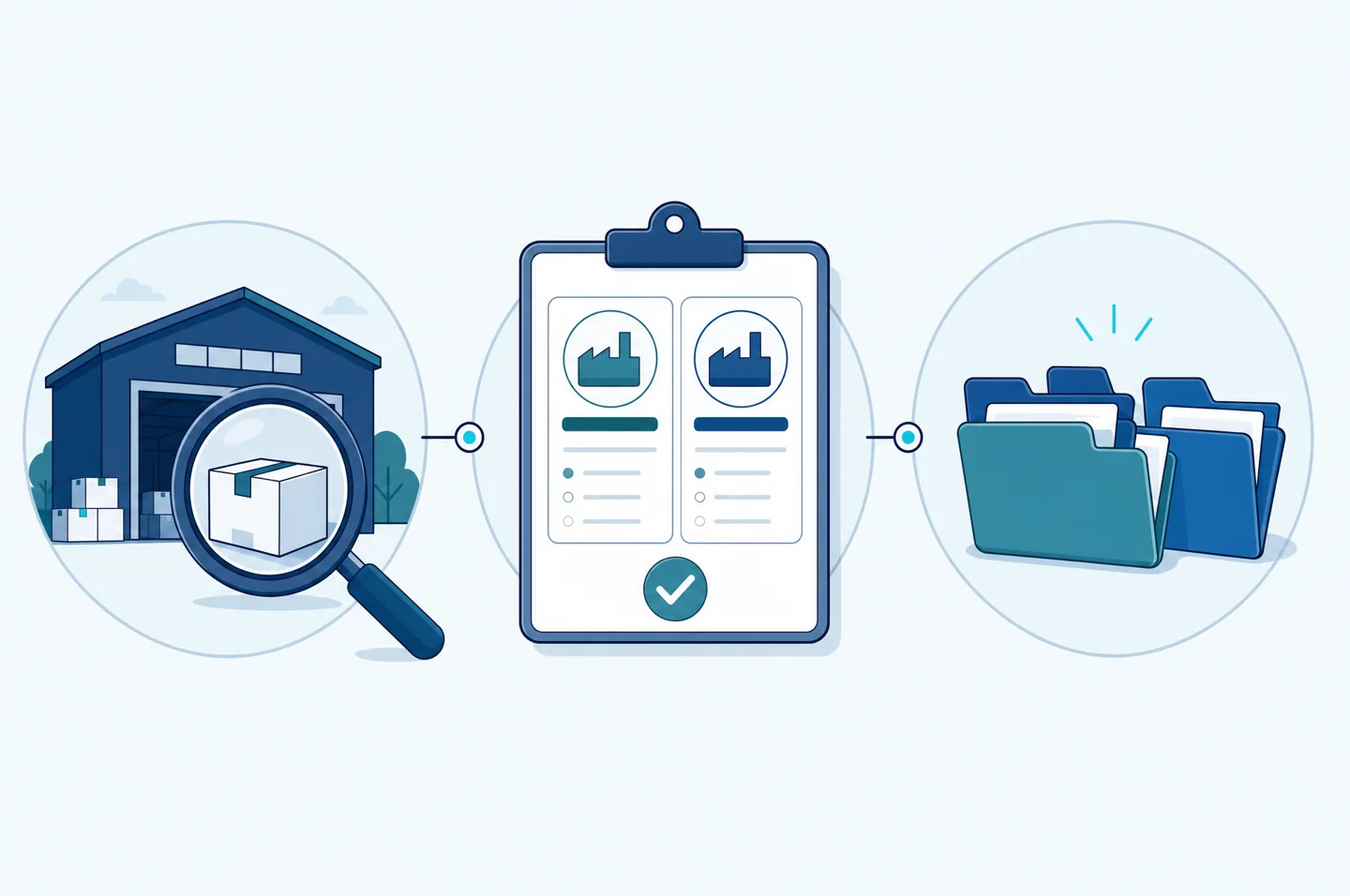
Sauna dropshipping suppliers should be evaluated around the whole purchase, from product selection and dealer approval to delivery, assembly information, replacement parts, and warranty support. A price list gives you one piece of that picture. It does not establish that your store can sell the product well.
Saunas are a high-consideration purchase. A customer may be comparing infrared cabins, traditional indoor rooms, outdoor kits, barrel designs, heaters, and accessories. Each model can involve different placement, electrical, assembly, freight, and support questions. Your job as a retailer is to make the available information clear and route technical questions to the right source.
This guide helps you build a shortlist that fits the store you intend to operate. You will learn how to distinguish supplier models, ask useful dealer questions, organize product documentation, compare the full commercial terms, and rehearse the first order before expanding a catalog. Use it alongside our high-ticket supplier research pillar.
Start with a focused sauna research set. Supplier Paradise members can search companies by niche, supplier type, name, and reported markets served before contacting them about their current program.
Choose which sauna buying problem your store will solve
Start narrower than “wellness products.” Decide whether your first assortment will help buyers choose a complete indoor cabin, compare outdoor sauna kits, replace an existing heater, or source equipment for a commercial project. Those customers need different information and may have different expectations about service.
A focused store can become useful by explaining the distinctions within one buying situation. An unfocused catalog can create a support burden before it creates a reason for anyone to buy. Record the customer, intended market, product scope, and service boundaries before supplier outreach.
Also decide which questions your team will answer and which belong with the manufacturer or a qualified installer. You can provide current product specifications and a clear support route without making installation or health claims that the product documents do not establish.
If you are still selecting the wider business category, Ecommerce Paradise’s high-ticket niches research can help you compare possibilities. Come back to supplier research once you know the customer problem you want to serve.
Five supplier models to separate before applying
Complete sauna brands
A brand may supply finished cabins or packaged kits, marketing materials, product documents, and a warranty process. Ask about dealer eligibility, online channels, fulfillment, markets served, and which models a new account can access. Brand recognition is useful, but the working account terms still determine fit.
Manufacturers and importers
A manufacturer or importer may own production, source several product lines, or hold domestic inventory. Confirm which role it actually plays. Ask who controls specifications, quality questions, replacement parts, and warranty decisions. A company can manufacture products without offering a practical single-order dropshipping program.
Distributors
A distributor may provide several brands through one account. That can make the discovery process efficient, but permissions, freight, warranties, and product data may vary by line. Ask for a clear brand-level map rather than assuming one distributor agreement covers every item.
Heater and component specialists
A heater, control, door, or accessory supplier can support a narrower assortment. The retailer still needs exact model identification, compatibility documentation, regional information, and the right technical contact. Avoid turning a component catalog into a promise that everything fits an existing room.
Custom and trade-oriented providers
Some companies serve builders, showrooms, hospitality projects, or trade customers. Their quote and design process may be different from a direct consumer retail program. Establish whether your online-store model fits before you invest in application materials or product pages.
A dropship program can still have account requirements
Do not interpret direct fulfillment as permission to start with no other commitment. Suppliers can have opening orders, stock requirements, display expectations, channel restrictions, documentation rules, or approval criteria. Those terms need to be part of your decision.
For example, Golden Designs’ public dealer-registration information describes direct-to-customer dropshipping alongside an inventory requirement. It is an example of why you need to read the actual account conditions rather than stopping at the word “dropship.” Review Golden Designs’ dealer-registration page, then request its current agreement if that company is relevant to your shortlist.
Prepare a real store, consistent business details, a defined customer focus, and an honest sales-channel plan. Use the supplier application guide to organize your preparation and the outreach email template to ask for the correct application route.
The sauna supplier readiness matrix
Record evidence for each answer. “Reported but unconfirmed” and “unknown” are useful statuses. A directory listing, an attractive product page, and a friendly conversation are discovery signals; the supplier needs to confirm the commercial relationship directly.
| Readiness area | What to ask | Record to keep |
|---|---|---|
| Account fit | Which account requirements and selling channels apply? | Current dealer agreement and approval. |
| Exact product | Which model, version, configuration, and components are included? | Model-specific catalog and order record. |
| Technical support | Where are the current manuals and who answers installation questions? | Official documents and support contact. |
| Delivery | How is the product packaged, shipped, inspected, and received? | Freight quote and delivery instructions. |
| Parts and warranty | Who handles a component problem and what evidence is required? | Parts route, claim process, and coverage terms. |
| Order changes | When do cancellations or changes stop being available? | Written policy and order-approval process. |
Use the supplier comparison scorecard to compare finalists. It helps keep a low opening price from hiding a weak delivery or support arrangement.
Source the documents alongside the products
Request the exact model specifications, included components, assembly information, placement requirements, electrical information, use instructions, care guidance, and warranty terms. Keep the regional version and revision clear. You should be able to trace the product page to the documentation supplied for that model.
Harvia’s professional resources provide product information, marketing assets, manuals, and instructions. Its support hub separately covers technical questions, product identification, spare parts, and warranty support. See Harvia’s professional resources and official support hub as examples of the information a retailer needs access to.
Documents also need an update process. Ask how the company communicates model revisions, discontinued components, changes in supplied accessories, or revised instructions. Assign someone to review affected listings instead of assuming a product feed will fix every detail automatically.
Keep product education separate from installation advice
Your store can help a buyer compare confirmed dimensions, materials, features, included parts, and current model documents. Project-specific electrical, placement, construction, and installation questions should go to the manufacturer and appropriately qualified professionals.
A useful product page should show what is included, what the buyer needs to confirm, where to obtain the manual, and how to reach the technical support team. That makes the store more helpful while keeping the decision tied to reliable information.
Also avoid inventing health or therapeutic promises. A retailer does not need exaggerated wellness copy to explain a well-documented product. Focus on the buyer’s actual selection and ownership questions, using the manufacturer’s substantiated information where appropriate.
A useful sauna shortlist includes support readiness. Dealer terms, model documentation, freight, replacement parts, and warranty routing all belong in the research before you publish a large assortment.
Map the delivery from warehouse to property
A packaged sauna can be bulky, fragile, and made up of several components. Ask the supplier about packaged dimensions, weight, pallet count, warehouse origin, processing time, and the actual delivery service. Find out whether the carrier schedules an appointment and what the buyer needs to do on arrival.
Clarify residential, liftgate, remote-area, limited-access, redelivery, and storage charges. A quoted freight amount may have assumptions that do not fit every property. Customer-facing delivery information should reflect the service that is confirmed for that order.
Separate delivery from assembly and installation. A carrier leaving a pallet curbside is a different service from moving components into the house or assembling the product. Make those boundaries visible before checkout so the buyer can plan the receiving arrangements.
Use the supplier RFQ template to ask consistent questions about fulfillment. If domestic warehousing is central to your plan, use our USA supplier research guide to distinguish company location from the origin of a particular shipment.
Damage, missing parts, and warranty need a documented path
Ask what a buyer should inspect, what evidence to collect, which deadline applies, and who receives the claim. Keep the supplier’s current instructions accessible to your support team. A general shipping policy copied from another category may not cover the realities of a multi-component sauna delivery.
Then ask about the components individually. Who handles a cabin issue, a heater fault, a controller question, or a missing accessory? Does the retailer coordinate the process, or does the manufacturer work directly with the customer? Which product identifiers and proof-of-purchase records are needed?
Read the actual coverage, exclusions, and responsibilities. Harvia publishes its warranty terms separately from its broader product information. See the official warranty page as a reminder to obtain the current terms for every line you sell. Do not use one brand’s warranty as a template for another.
Evaluate the economics after fulfillment and support
Compare dealer cost, freight, service upgrades, payment costs, assembly boundaries, likely support work, and possible return exposure. A strong product discount can still leave a weak operating margin if every sale requires an unplanned freight adjustment or prolonged support.
Ask about opening orders, per-order fees, deposits, net terms, price changes, inventory reservations, and minimum commitments. Use the MOQ guide and payment-terms guide to make the cash obligations visible.
Keep MAP and channel permissions in the same decision. The price you may advertise, the markets you may serve, and the platforms you may use can all affect the way you acquire customers. Get the current policy before building promotions around an assumed price advantage.
Rehearse one representative order
Choose a hypothetical product and destination that reflect the category you intend to sell. Walk through stock confirmation, the customer quote, order submission, payment, processing, tracking, appointment scheduling, delivery, and the first support contact.
Now test a complication on paper. Suppose one panel is damaged or an accessory is missing. Your team should know the evidence needed, the correct contact, how to communicate the next step, and which party decides the remedy. Record any unresolved question before opening the assortment to more orders.
Where a sample or test order is practical, use it to assess packaging, supplied documents, product presentation, and communication. It is useful evidence about the process, not a guarantee of every future order. Review the first customer orders carefully before expanding the product range.
Build the product-data and launch workflow
Build a product-data checklist before import
Create a record for the exact SKU, model name, version, included components, finish options, product dimensions, packaged dimensions, packaged weight, and document links. Keep retail measurements separate from shipping measurements. A buyer comparing room fit needs different information from a carrier planning delivery.
Ask whether the supplier provides structured data, an inventory feed, a portal export, or manual updates. Find out how often the information changes and who handles a discrepancy. If a spreadsheet and product page disagree, resolve it with the supplier before passing the uncertainty to the customer.
Track which materials you may use. Product photos, lifestyle images, manuals, diagrams, and brand copy can have different usage permissions. Keep an approved media library and use the current product version. A photograph from an older model can create avoidable questions about controls, door orientation, accessories, or what arrives in the shipment.
Use a clear quote-validity rule
For orders that require a freight quote or a configuration check, tell the buyer when the quote expires and what needs confirmation. Ask the supplier whether pricing or stock is held during that period and what event makes the order final. Then make your own customer process consistent with the confirmed account terms.
If a component is unavailable, do not offer an alternative based only on appearance or approximate dimensions. Ask the responsible technical contact whether the proposed substitution is appropriate for the exact product configuration. Keep that answer in the order record and obtain any necessary customer approval before changing what is supplied.
Define a launch boundary for each product line
A practical launch boundary is a set of conditions that must be true before a product goes live. For example: the account is approved, the SKU is available to your channel, the technical documents are current, delivery costs and service levels are understood, and your team can route a warranty or missing-part issue.
When one of those conditions is unresolved, keep the product in research status. That does not mean the supplier is poor. It means your operation is not ready to make the customer promise yet. This simple discipline prevents a large catalog from hiding a set of unfinished decisions.
Review supplier performance after the first orders
Keep notes on acknowledgement speed, processing accuracy, tracking quality, shipment completeness, damage handling, and how technical questions are routed. Distinguish an isolated problem from a recurring pattern and record the actual facts before deciding what to change.
Use those observations to narrow or expand the assortment. A company with excellent product information may still need a better freight handoff for your customer locations. A responsive account team may be a stronger fit for a new store than a broader catalog with an unclear escalation path. Your shortlist should evolve as you gain evidence.
Five mistakes to avoid
Assuming every program works without an opening commitment
Read the dealer agreement and clarify any inventory, display, or account requirement. Dropshipping can be one service inside a broader relationship.
Grouping different sauna types into one generic product story
Use exact model information and clear comparisons. A buyer should understand which product is being offered and what it includes.
Promising installation as part of delivery
Confirm the actual carrier and service arrangement. Explain assembly and installation separately, including the manufacturer’s current documents and professional support route.
Quoting warranty from memory
Store the current policy alongside the product and account record. Coverage can differ by component, use, region, and purchasing relationship.
Expanding before the first-order process works
A smaller accurate assortment is easier to learn and support. Use the onboarding checklist to turn approval into a working order process.
Frequently asked questions
Can saunas be dropshipped?
Some brands, manufacturers, importers, and distributors offer direct-to-customer fulfillment. Confirm the current program, product access, territory, dealer requirements, and delivery terms with the company.
Should I start with complete saunas or components?
Choose the assortment whose buying questions and support process you can understand well. Complete products and replacement components have different documentation and fulfillment needs.
Does supplier approval cover every model?
It may not. Ask for the exact products and channels your account can access. Keep the current authorization and policy information with the supplier record.
What makes a sauna supplier a good fit?
The supplier’s products, account terms, documentation, fulfillment, parts availability, and support ownership should match the customer experience you intend to provide. Compare those facts in writing.
Build a sauna assortment around confirmed information
The strongest sourcing plan connects product education, commercial permission, delivery, and support. Research relevant companies, ask direct questions, record the answers, and launch a controlled assortment with a clear operating process.
Find your next sauna supplier research leads
Use Supplier Paradise to narrow the discovery stage, then verify current approval, prices, stock, fulfillment, and support terms directly with each company.

Trevor Fenner is the founder of Ecommerce Paradise and writes about high-ticket dropshipping, supplier research, and building niche ecommerce stores. His Supplier Paradise guides help you compare suppliers, prepare dealer applications, and check shipping, returns, and warranty policies before you commit. Start with the supplier research guides and build a shortlist you can verify.
Join the Ecommerce Paradise community and follow Ecommerce Paradise on LinkedIn.